The NDIS social and community participation is largely aimed at people suffering from intellectual disability, autism spectrum, and psychosocial disability.
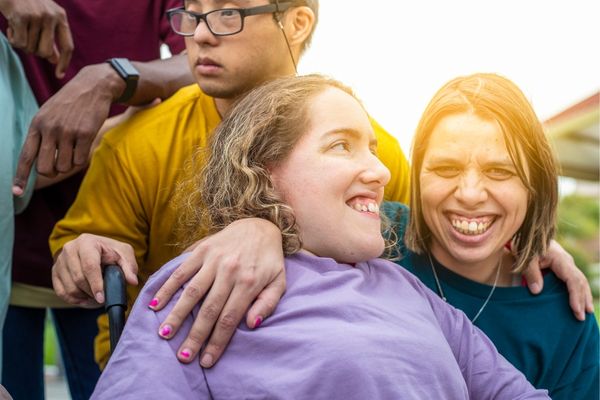
Social and community participation is a collective effort that includes the participants, support providers, carers and family to work as a community to enhance the quality of life, build confidence and gain fresh experience enabling participants to excel and flourish in an increased pace.
Here we bring to you the top benefits of social and community participation, let us dive into the topic quickly!
Helps to connect and communicate with people
People suffering from autism, intellectual disabiliy or psychosocial disability are mainly at benefits here since it is a collective effort of a group or community that involves other participants, family,service providers and carers. This in return helps them to connect, socialise and even talk to each other.
This will ultimately make the participants develop an increased level of confidence to reach out to people and seek help, advice or even talk about their interests.
You feel safer in your community
Since the initiative is joined forces with people possessing similiar interest, which includes the family members of the participants, NDIS staffs and co-participants, the environment is set in such a way that the people feel much more comfortable and secure.
In such a scenario, the participants feel more inclined towards the community, believing and feeling safer with the presence of each other, hence developing even deeper friendships and connections.
Helps you to learn new skills
The core benefit of NDISsocial and community participation is that the participants can do things that interest them the most.
This involves, developing communication skills, sporting skills, volunteering in social support activities, and many more things that will benefit the participants to a larger extent.
Helps to strengthen the knowledge and skills for work and education purposes
It becomes apparent that the social and community participation setup helps people with disability to connect deeply with the support workers and other co-participants unveiling their inner potential to speak with others and enjoy seeking knowledge and skills.
Each community participation attendance helps people acquire a great deal of knowledge and skills that will help them to pursue education or even secure employment that interests them the most.









Comments
4